In the realm of craft beverages, two titans stand tall: craft beer and craft gin. These artisanal libations, born of passion and precision, have taken the world by storm. As we delve into the nuances of craft beer and craft gin, we uncover the distinct ingredients, meticulous processes, and diverse flavour profiles that make each a unique and celebrated creation.
Ingredients
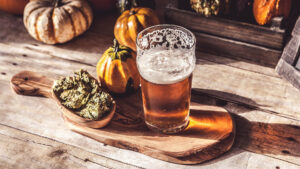
Craft Beer: Craft beer is a symphony of malted barley, hops, water, and yeast. The type of malt, the variety of hops, the strain of yeast, and the mineral content of the water all contribute to the rich tapestry of flavours in craft beer. Brewers often experiment with different grains, such as wheat, rye, and oats, to add complexity and uniqueness to their creations. The hop varieties play a crucial role, imparting bitterness, aroma, and various fruity or floral notes.
Craft Gin: Contrastingly, craft gin is a spirit derived primarily from grain alcohol and flavoured with botanicals, with juniper being the star of the show. Beyond juniper, gin makers artfully infuse a variety of botanicals like coriander, citrus peel, angelica root, and cardamom to create a nuanced flavour profile. The magic of craft gin lies in the balance and interplay of these botanicals, each contributing its distinctive character to the final product.
Brewing/ Distillation Processes
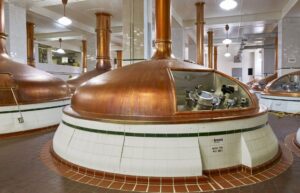
Craft Beer: The brewing of craft beer is a meticulous process that involves malting, mashing, boiling, fermenting, conditioning, and packaging. Brewers carefully control temperatures and timings at each stage to extract the desired flavours from the ingredients. The choice of yeast strain and fermentation conditions plays a crucial role in determining the final beer style, whether it be a hop-forward IPA or a rich, malty stout.
Craft Gin: Crafting gin is an alchemical dance of distillation. The base spirit is often distilled from grains, though some distillers may opt for fruit or sugar-based alcohols. The key step lies in the infusion of botanicals. Distillers use either the pot still method or the more modern column still, carefully selecting the combination of botanicals and adjusting their quantities to achieve the desired flavour profile. Some gins undergo multiple distillations, enhancing the spirit’s purity and complexity.
Flavour Profiles
Craft Beer: The flavour spectrum of craft beer is vast and diverse. From the citrusy and piney notes of hops in an IPA to the roasty, chocolate undertones of a stout, craft beer offers a kaleidoscope of tastes. The malt sweetness, hop bitterness, and yeast character all contribute to the complexity of the final product. With innovations like barrel aging and experimental brewing techniques, craft brewers continuously push the boundaries of flavour possibilities.
Craft Gin: Gin’s flavour profile is a delicate dance of botanicals. The dominant piney and resinous notes of juniper often take centre stage, complemented by the citrusy brightness of coriander and orange peel. Angelica root adds earthiness, while cardamom contributes a subtle spiciness. Craft gin can range from crisp and refreshing to complex and aromatic, making it a versatile spirit that can be enjoyed neat, on the rocks, or in a variety of cocktails.
In conclusion, while both craft beer and craft gin share the artisanal ethos of small-batch production and an emphasis on quality, their differences lie in the ingredients, brewing/distillation processes, and resulting flavour profiles. Craft beer delights with its diversity of malt and hop expressions, while craft gin captivates with its botanical medley. The next time you raise a glass of these meticulously crafted libations, savour not just the taste but the artistry and dedication woven into each sip. Cheers to the artisans behind the brew kettles and distillation columns, enriching our palates with their liquid masterpieces.